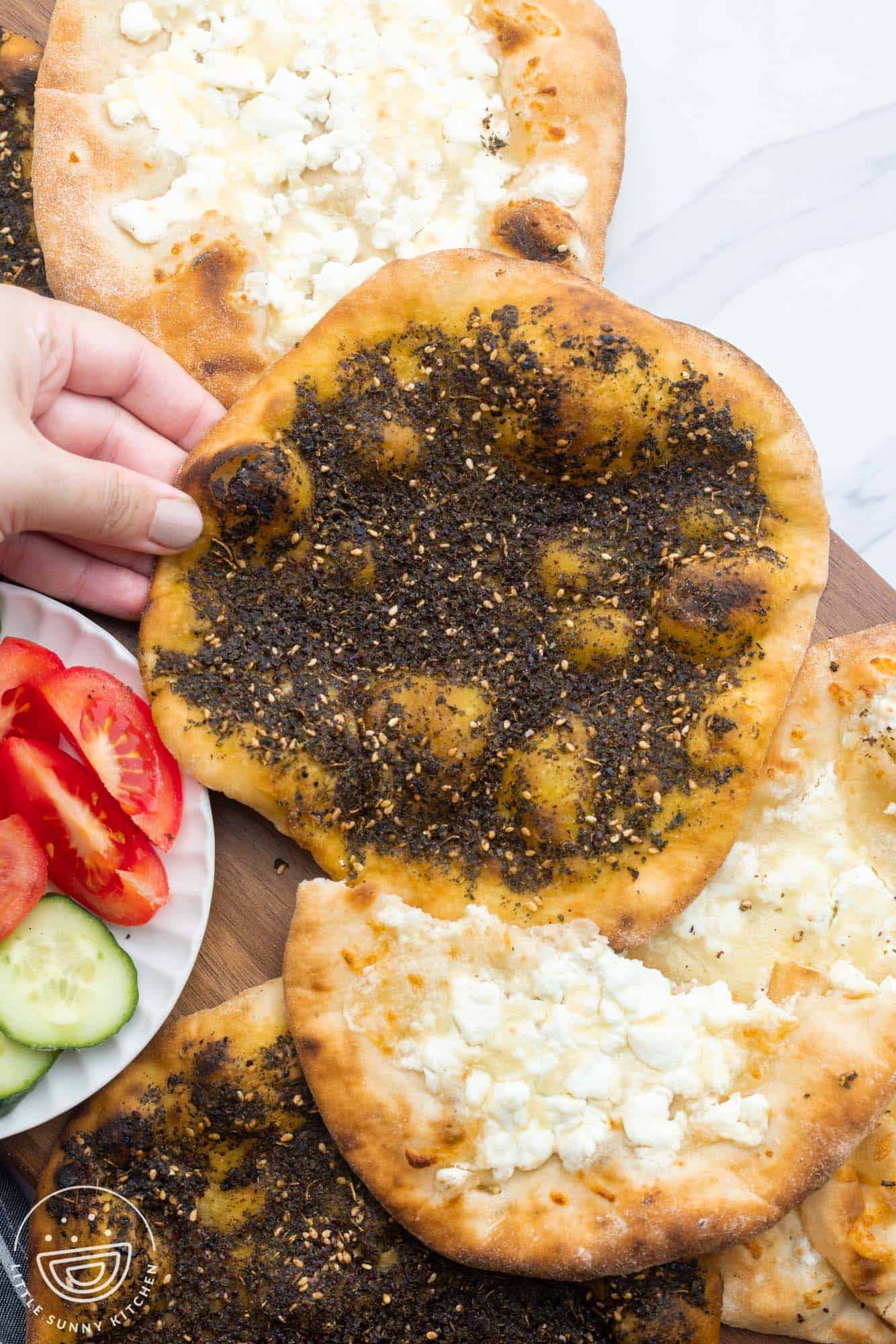
Arabic Pizza Secrets: Master Soft Manakeesh & Perfect Toppings
Step into the vibrant culinary landscape of the Middle East, and you're bound to encounter a beloved flatbread that has captivated palates for centuries:
manakeesh. Often hailed as the "Arabic pizza," this versatile and incredibly delicious dish is much more than just a meal; it's a cultural cornerstone, a breakfast staple, a comforting snack, and a delightful centerpiece for any gathering. From its humble origins in the Levant to its widespread popularity today, mastering manakeesh means unlocking a world of flavor, and at its heart lies the secret to a perfectly soft base and an array of exquisite toppings. If you've ever dreamt of recreating the authentic taste of Lebanese street food in your own kitchen, get ready to discover the magic behind achieving that coveted softness and crafting toppings that sing with traditional flavors.
The Ancient Roots of Manakeesh: A Culinary Journey from the Levant
The story of
manakeesh is as rich and aromatic as the dish itself, tracing its lineage back to the resourceful women of the Levant in the 10th century. Facing the common challenge of leftover dough from their morning bread baking, these ingenious cooks transformed potential waste into a quick, savory treat for their families. This practical necessity blossomed into a culinary tradition, laying the foundation for what would become a cherished part of Middle Eastern cuisine.
Initially, the most common and enduring topping for this delectable flatbread was *za'atar*, a fragrant and earthy blend of dried thyme, oregano, marjoram, sumac, and toasted sesame seeds, all mixed with olive oil. This simple yet profound combination quickly cemented manakeesh's status as a breakfast essential and a popular street food, enjoyed by people from all walks of life. Over the centuries, manakeesh evolved, adapting to regional tastes and culinary innovations, but its core identity as a warm, inviting flatbread remained unchanged. To truly appreciate its journey, delve deeper into its fascinating history with our companion piece:
Manakeesh: From 10th-Century Origins to Modern Culinary Delight.
Crafting the Perfect Manakeesh Dough: The Secret to Supreme Softness
The soul of an outstanding
manakeesh lies undeniably in its dough. While the toppings certainly add flair and flavor, it's the foundation – a wonderfully soft, pliable, and slightly chewy flatbread – that defines an authentic experience. Many home bakers struggle with achieving that perfect texture, often ending up with a base that's too hard or cracker-like. The secret, however, is simpler than you might think, focusing on hydration, proper technique, and a little patience.
Achieving that Dreamy Softness: Pro Tips for Your Dough
To master the art of soft manakeesh, consider these crucial elements when preparing your dough:
*
Hydration is Key: Unlike some rustic breads, manakeesh dough benefits from a slightly higher hydration level. This means more water relative to flour, which contributes significantly to a softer crumb. Don't be afraid if the dough feels a bit sticky initially; resist the urge to add too much extra flour.
*
Thorough Kneading: Develop the gluten properly. Whether by hand or with a stand mixer, knead the dough until it's smooth, elastic, and no longer sticky. This can take 8-10 minutes. Well-developed gluten creates the structure that traps air, leading to a light and airy texture.
*
Ample Resting Time: Allow the dough to proof in a warm, draft-free place until it has at least doubled in size. This crucial step allows the yeast to work its magic, creating air pockets and contributing to the dough's softness and flavor development. Rushing this step will result in a denser, harder flatbread.
*
A Touch of Olive Oil: Incorporating a good quality olive oil into your dough not only adds a subtle flavor but also enhances its pliability and helps keep the finished manakeesh tender. It acts as a tenderizer, preventing the dough from becoming overly tough.
*
Gentle Handling: Once your dough has proofed, handle it gently. Overworking the dough during shaping can deflate the air bubbles and result in a tougher texture. Lightly press and stretch the dough into its characteristic round shape.
*
Post-Baking Cover: A critical tip often overlooked! Once your manakeesh emerge from the oven, let them cool for just a few minutes, then cover them immediately with a clean kitchen towel or plastic wrap. This traps the residual steam, keeping the flatbread incredibly soft and preventing it from drying out and becoming crunchy. This simple step is a game-changer for maintaining that desired tenderness.
Unveiling the Topping Treasures: From Classic Za'atar to Gourmet Meat
While the dough provides the canvas, the toppings are where the true artistry and flavor explosion of
manakeesh come to life. The versatility of this "Arabic pizza" shines through its incredible range of options, catering to every palate.
The Iconic Za'atar Manakeesh
The traditional *za'atar* topping remains a timeless favorite. This fragrant blend, typically combined with a generous amount of high-quality olive oil, creates a paste that's spread over the dough. A valuable tip shared by a Palestinian friend emphasizes adding a *small amount of water* to your za'atar and olive oil mixture. This isn't a common practice for all, but those who swear by it know its secret: the water helps prevent the za'atar from burning too quickly in the hot oven, ensuring it cooks evenly and contributes to an even softer final manakeesh. The steam generated by the water helps to keep the herbs moist and vibrant, enhancing their flavor rather than allowing them to crisp up excessively.
The Comforting Cheese Manakeesh
Another incredibly popular variation, especially beloved by children, is cheese manakeesh. Traditionally, cheeses like Nabulsi or Akawi are used, prized for their salty, slightly tangy flavor and excellent melting properties. However, modern interpretations embrace a wider array of cheeses. Combinations of feta and mozzarella are common, offering a delightful salty-creamy balance and a satisfying stretch. Many also experiment with cream cheese, ricotta, queso, or even halloumi, each contributing a unique texture and flavor profile. One excited child famously declared a cheese manakeesh to be "the best cheese pizza in the world," and once you try it, you might just agree!
The Savory Ground Meat Manakeesh (Lahm bi Ajeen)
For those who prefer a heartier option, ground meat manakeesh (often referred to as Lahm bi Ajeen or sharing similarities with Sfiha) is a must-try. This variant features a savory mixture of finely ground beef (or lamb), typically seasoned with aromatic spices like allspice, cinnamon, paprika, black pepper, and sometimes finely diced onions, tomatoes, and a hint of pomegranate molasses for a touch of tang. The meat mixture is spread thinly over the dough, baking to a juicy, flavorful perfection that contrasts beautifully with the soft bread.
Beyond the Classics: Creative Topping Ideas
The beauty of manakeesh is its adaptability. Beyond the classic trio, the possibilities for toppings are endless. Consider adding:
*
Spinach: Fresh spinach wilted with onions and sumac.
*
Labneh: A creamy strained yogurt spread, often topped with fresh herbs and a drizzle of olive oil, added after baking.
*
Eggs: Cracked onto the manakeesh during the last few minutes of baking for a delightful breakfast option.
*
Vegetable Medleys: Diced tomatoes, bell peppers, or olives for a fresh, vibrant twist.
To explore an even broader spectrum of delicious manakeesh variations and learn how to perfect each one, be sure to read our detailed guide:
Manakeesh Magic: Exploring Za'atar, Cheese, and Meat Variations.
Baking Manakeesh to Perfection: The Final Touches
Once your dough is perfectly proofed and your chosen toppings are generously applied, the final step is baking. Manakeesh thrives in a hot oven, typically around 450-500°F (230-260°C). The high heat ensures a quick bake, resulting in a beautifully golden crust, a slightly crispy edge, but most importantly, a tender, soft interior. Baking times are relatively short, usually 8-12 minutes, depending on your oven and the thickness of your manakeesh. Keep a close eye on them; they cook quickly!
As mentioned earlier, remember the golden rule for maintaining softness: once they've cooled for a moment, *cover them*. Whether with a clean kitchen towel, a large piece of foil, or plastic wrap, trapping that steam is critical. This simple act prevents them from becoming brittle or dry, ensuring every bite is wonderfully soft and pliable, just as an authentic manakeesh should be. Serve your freshly baked manakeesh warm, perhaps with a side of fresh vegetables, olives, or a cup of hot tea, for an experience that transports you straight to the bustling streets of Beirut or the cozy homes of the Levant.
Embrace the Manakeesh Experience
From its humble beginnings as a resourceful culinary creation to its status as a beloved "Arabic pizza" across the globe,
manakeesh offers a delightful blend of tradition and versatility. Mastering the art of soft, flavorful manakeesh is a rewarding journey that connects you to centuries of culinary heritage. By focusing on a well-hydrated, properly kneaded dough, employing the subtle trick of adding water to your za'atar, and conscientiously covering your baked flatbreads, you'll consistently achieve that coveted tender texture. With an endless array of toppings, from the earthy za'atar to rich cheeses and savory meats, manakeesh invites you to experiment, share, and savor the rich, vibrant flavors of Middle Eastern cuisine right in your own home. So, roll up your sleeves, embrace the secrets, and prepare to delight your senses with this extraordinary flatbread.