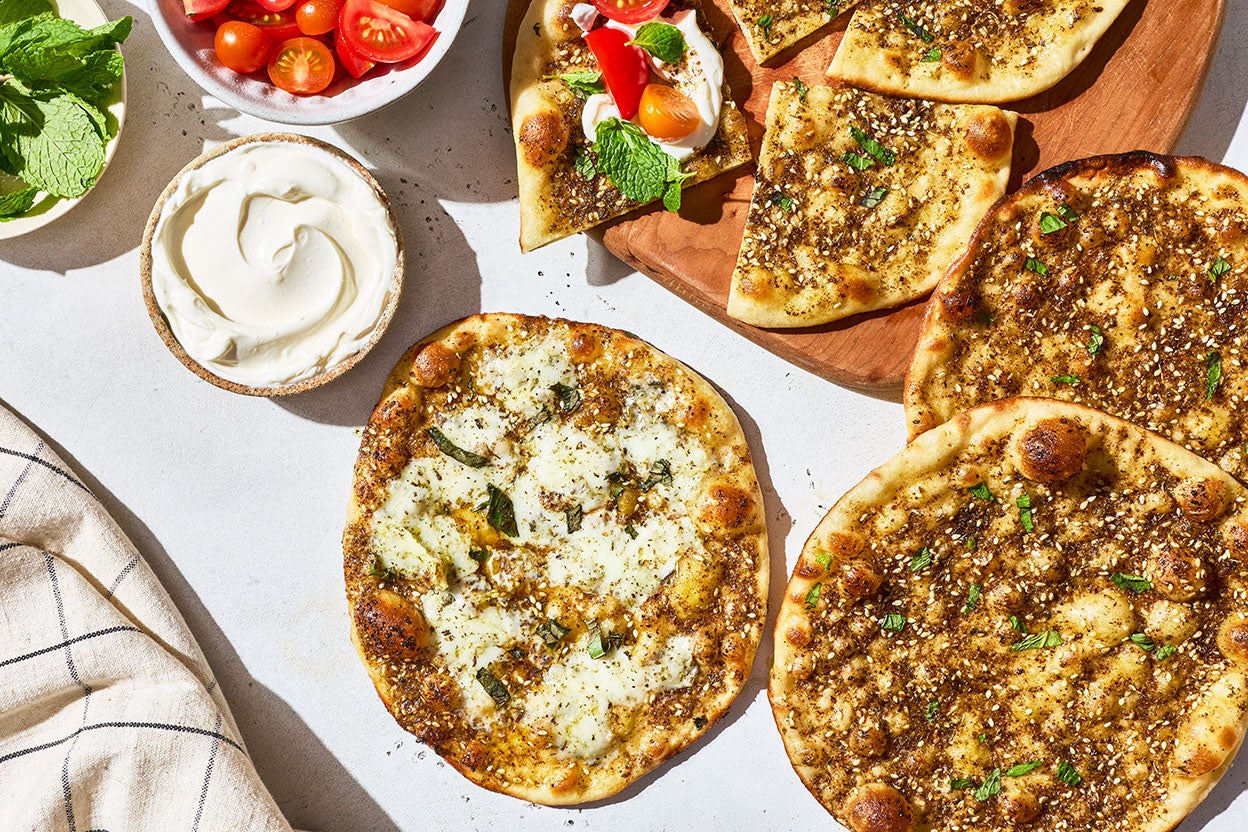
Manakeesh Magic: Exploring Za'atar, Cheese, and Meat Variations
Step into any bustling market or a warm family kitchen across the Levant, and you're likely to encounter the irresistible aroma of manakeesh. This cherished Lebanese flatbread, sometimes hailed as the "Arabic pizza," is a culinary cornerstone, beloved for its simplicity, versatility, and profound historical roots. From its humble origins as a resourceful family meal to its status as a global street food sensation, manakeesh offers a canvas for endless flavor combinations. While traditionally adorned with the fragrant za'atar blend, its evolution has embraced delectable cheese and hearty meat toppings, each offering a unique journey for the taste buds.
Join us as we uncover the magic behind manakeesh, exploring its rich heritage and diving deep into the distinct delights of its most popular variations. Whether you're a seasoned baker or an adventurous home cook, preparing to recreate these authentic flavors in your own kitchen will be a truly rewarding experience.
The Enduring Legacy of Manakeesh: From Ancient Roots to Modern Tables
The story of manakeesh is as rich and aromatic as the flatbread itself, tracing its lineage back to the 10th century. Born from the resourcefulness of women in the Levant, who would transform leftover dough from their morning bread baking into quick, savory treats, manakeesh quickly evolved beyond a simple snack. It became a ubiquitous breakfast staple, a convenient lunch, and a beloved street food, deeply embedded in the cultural fabric of the Middle East.
Its fundamental concept—a crisp yet tender flatbread serving as a vehicle for savory toppings—is what links it closely to other regional delights like Sfiha, and earns it the affectionate moniker of "Arabic pizza." This ancient dish continues to captivate palates worldwide, seamlessly blending tradition with modern culinary innovation. To delve deeper into its captivating journey through time, be sure to read our comprehensive article: Manakeesh: From 10th-Century Origins to Modern Culinary Delight.
Mastering the Classic: Za'atar Manakeesh
When one speaks of traditional manakeesh, the image that instantly comes to mind is the vibrant green and earthy brown of za'atar. This iconic topping is more than just a spice mix; it's a sensory experience. Za'atar is typically a blend of dried thyme, oregano, and marjoram, combined with toasted sesame seeds for crunch, and sumac for its distinctive tangy, lemony zing. Mixed with generous amounts of extra virgin olive oil, it transforms into a paste that bakes into an intoxicatingly aromatic and flavorful crust.
The beauty of za'atar manakeesh lies in its nuanced flavor profile—herbaceous, nutty, and bright. Achieving the perfect texture and preventing the za'atar from burning, however, holds a crucial secret. A tip shared by many Palestinian home cooks, and often overlooked by newcomers, is to add a small amount of water to your za'atar and olive oil mixture. This simple addition creates a more stable emulsion, preventing the herbs from scorching in the oven and, perhaps more importantly, contributing to a softer, more pliable flatbread once baked. Serve these fragrant rounds warm, perhaps with fresh mint leaves, sliced tomatoes, and briny olives for an authentic experience.
The Cheesy Delight: A Family Favorite
While za'atar holds the crown for tradition, cheese manakeesh undoubtedly wins the hearts of many, particularly the younger generations who often declare it the "best cheese pizza in the world." The allure lies in the gooey, melty texture and the comforting saltiness of the cheese against the soft, warm flatbread base. It's an inviting option that bridges cultural gaps, appealing to universally loved flavors.
Exploring Cheese Combinations
Traditionally, cheese manakeesh would feature specific Middle Eastern white cheeses like Nabulsi or Akawi, known for their slightly salty flavor and satisfying melt. However, the versatility of manakeesh means almost any white cheese—or a combination thereof—can be used with delicious results. For home cooks, popular choices often include:
- Feta and Mozzarella: A fantastic blend, where feta provides a tangy, salty kick and mozzarella offers the quintessential stretchy, mild melt.
- Halloumi: Known for its high melting point and satisfying squeaky texture, halloumi adds a unique dimension.
- Ricotta or Cream Cheese: These can be combined with mozzarella for a richer, creamier base that's incredibly smooth.
- Queso Blanco: For a slightly different regional twist, some enjoy the mild, milky flavor of queso.
To create the perfect cheesy manakeesh, grate your chosen cheeses and mix them well. A touch of black pepper or a sprinkle of dried mint can elevate the flavor. Spread the cheese generously but evenly, ensuring it melts into a golden blanket without overflowing the edges. The key is to bake until the cheese is bubbling and just starting to brown, ensuring a glorious, molten center.
Savory Satisfaction: The Ground Meat Variations
For those craving a more substantial and deeply savory experience, meat manakeesh offers a fulfilling alternative. This modern spin on the ancient classic transforms the humble flatbread into a hearty meal, perfect for lunch or dinner. Typically made with seasoned ground beef or lamb, this variation showcases the adaptability of manakeesh to contemporary tastes while still honoring its Middle Eastern heritage.
Crafting the Perfect Meat Topping
The magic of meat manakeesh lies in its aromatic spice blend. Ground meat (often beef or lamb, or a combination) is typically sautéed with finely diced onions, garlic, and a medley of Middle Eastern spices. Common seasonings include a pinch of cinnamon, allspice, a hint of nutmeg, and Lebanese seven-spice blend, creating a rich and complex flavor profile. Some recipes might also incorporate finely chopped tomatoes or bell peppers for added moisture and color.
When preparing the meat topping:
- Pre-cook or Lightly Brown: It's often beneficial to lightly brown the ground meat with the onions and spices before spreading it on the dough. This ensures the meat is cooked through and flavorful, and prevents the flatbread from becoming soggy.
- Season Generously: Don't be shy with spices! The meat topping needs to be flavorful enough to stand out against the dough.
- Drain Excess Fat: After cooking, drain any excess fat from the meat mixture to prevent a greasy manakeesh.
- Even Distribution: Spread the seasoned meat evenly over the dough, ensuring every bite is packed with savory goodness.
The result is a wonderfully satisfying flatbread, where the tender, spiced meat complements the soft dough, creating a truly irresistible dish.
Crafting the Perfect Manakeesh: Essential Tips for Home Bakers
Regardless of your chosen topping, the foundation of an excellent manakeesh lies in its dough and proper baking technique. A soft, pliable dough is paramount for that authentic Middle Eastern texture—not too hard, but not overly thin or soggy. Just like with Sfiha, ensuring your dough is well-kneaded and adequately risen will set the stage for success.
Key Baking and Post-Baking Techniques:
- Dough Hydration: Aim for a dough that is soft and slightly sticky, as this contributes to the tenderness of the final product.
- High Heat, Short Bake: Manakeesh bakes best in a hot oven (often 400-450°F / 200-230°C) for a relatively short period (5-10 minutes). This allows the crust to crisp slightly while keeping the interior soft and the toppings cooked without drying out.
- The Softness Secret: Once your manakeesh comes out of the oven and has cooled slightly (enough to handle), cover them immediately with a clean kitchen towel or plastic wrap. This crucial step traps the steam, ensuring the flatbreads remain wonderfully soft and pliable rather than becoming hard or crunchy. This is particularly important for za'atar manakeesh, where a soft base truly elevates the experience.
- Serve Warm: Manakeesh is best enjoyed warm, straight from the oven. It makes a fantastic appetizer for parties, a delightful breakfast, or a light lunch/dinner served with fresh vegetables and yogurt.
For more in-depth advice on achieving that coveted soft dough and mastering your toppings, consult our guide: Arabic Pizza Secrets: Master Soft Manakeesh & Perfect Toppings.
Embrace the Manakeesh Magic
From the ancient kitchens of the Levant to modern dining tables worldwide, manakeesh continues to enchant with its simple elegance and profound flavors. Whether you're drawn to the aromatic tang of za'atar, the comforting embrace of melted cheese, or the hearty satisfaction of spiced meat, each variation offers a unique glimpse into the rich tapestry of Middle Eastern cuisine. Crafting these delightful flatbreads at home is not just about cooking; it's about connecting with a culinary tradition that celebrates resourcefulness, flavor, and the joy of sharing good food. So, roll up your sleeves, embrace the warmth of your kitchen, and bring the magic of manakeesh to life.
