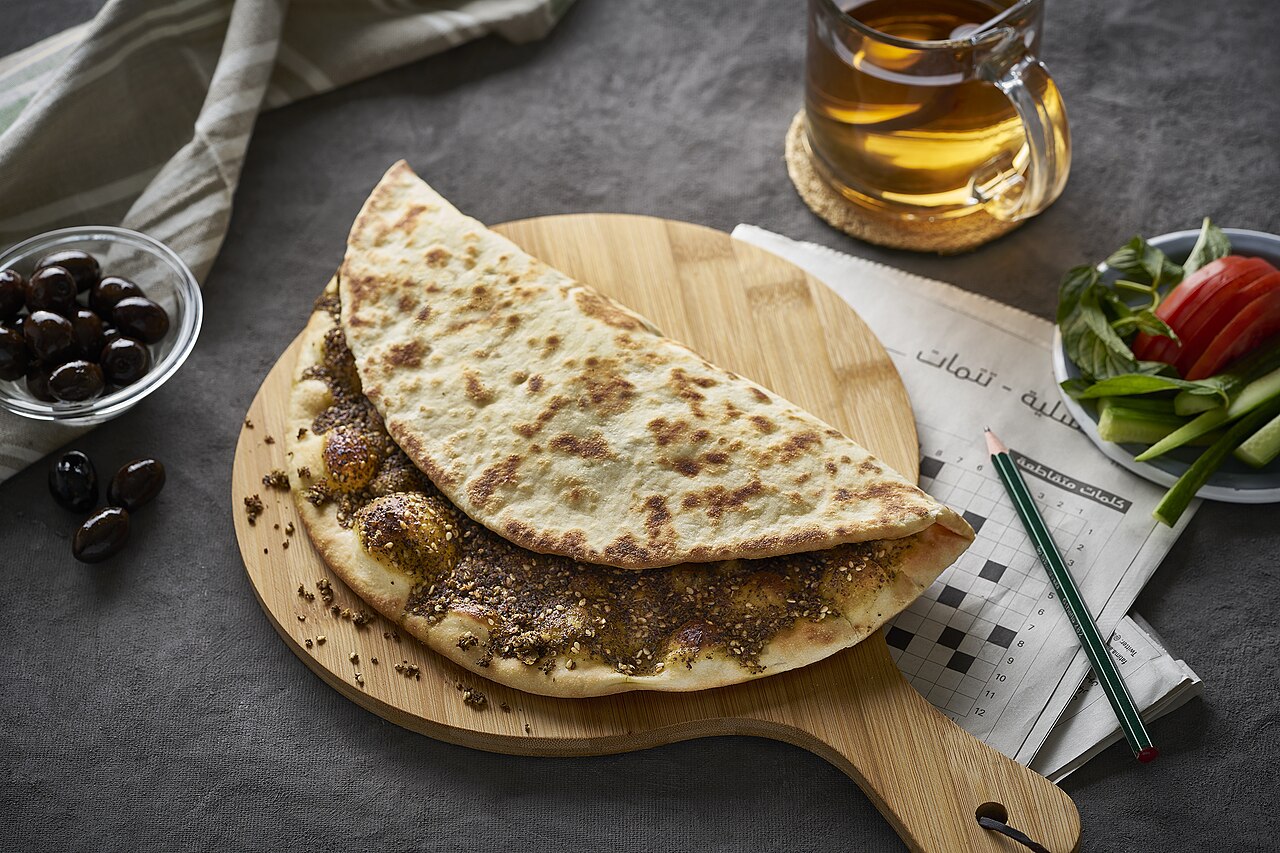
Manakeesh: A Timeless Flatbread Journey from Ancient Levant to Modern Tables
Step into the tantalizing world of manakeesh, a culinary treasure that has gracefully spanned centuries, evolving from a humble and resourceful dish into a global phenomenon. This iconic Lebanese flatbread, with its inviting aroma and versatile toppings, offers more than just a meal; it tells a story of tradition, adaptation, and the enduring power of simple, delicious food. Whether you're a seasoned foodie or just discovering the delights of Middle Eastern cuisine, manakeesh promises a delightful journey for your palate.
A Journey Through Time: The Ancient Roots of Manakeesh
The fascinating history of manakeesh stretches back to the 10th century, firmly embedding it within the rich culinary tapestry of the Levant region. Its origins are a testament to the ingenuity and resourcefulness of women who, faced with leftover dough from their morning bread baking, ingeniously transformed it into quick, savory treats for their families. This practice not only minimized waste but also birthed a dish that would become a staple for generations.
Traditionally, the most iconic topping for manakeesh was, and still often is, za'atar. This aromatic blend of wild thyme, sumac, toasted sesame seeds, and often salt, mixed with olive oil, creates a distinct flavor profile that is both earthy and tangy. Za'atar-topped manakeesh quickly became synonymous with breakfast throughout the region, its fragrant simplicity making it a perfect start to the day. Beyond the home, it flourished as a popular street food, its irresistible scent wafting through bustling markets, beckoning passersby.
Often hailed as the "Arabic pizza," manakeesh shares a similar spirit of versatility and communal enjoyment. It's considered a delightful cousin to other regional delights like Sfiha, another meat-topped flatbread, sharing a common heritage of a well-crafted dough base. This ancient flatbread, born of necessity and nurtured by tradition, laid the groundwork for the diverse variations we savor today, proving that truly great food always finds a way to endure and evolve.
Beyond Za'atar: A Symphony of Savory Toppings
While za'atar holds a revered place in the heart of traditional manakeesh, the beauty of this Lebanese flatbread lies in its incredible adaptability. Over time, creative cooks and regional preferences have introduced a stunning array of toppings, transforming manakeesh into a versatile dish suitable for any meal or occasion.
The Irresistible Allure of Cheese Manakeesh
For many, especially the younger generation, cheese manakeesh reigns supreme. It's a comforting, gooey delight that often elicits comparisons to pizza, and for good reason. Traditionally, cheeses like Nabulsi or Akawi, both firm, brined white cheeses, were the primary choices, offering a salty, tangy counterpoint to the soft bread. However, modern interpretations have broadened the horizons considerably. You'll now find combinations featuring creamy feta and melty mozzarella, rich cream cheese, smooth ricotta, or even squeaky halloumi. This fusion of traditional and contemporary cheeses creates a unique flavor and texture profile that is undeniably appealing, making it a guaranteed crowd-pleaser for parties, appetizers, or a comforting family lunch. As one excited child aptly put it, it’s the "best cheese pizza in the world!"
Hearty and Wholesome: Meat Manakeesh
Moving beyond the classic, the emergence of meat manakeesh signifies a modern twist on this ancient favorite. This version often features a savory topping of spiced ground beef, reminiscent of the vibrant flavors found in Lebanese street food. Expertly seasoned with aromatic spices, the meat adds a hearty, substantial layer that transforms the flatbread into a truly fulfilling meal. It's a perfect blend of the traditional flatbread base with a contemporary, satisfying topping, making it a delicious choice for lunch or dinner. The richness of the meat, combined with the soft, crispy base, creates a flavorful experience that stands out as a testament to manakeesh's ability to adapt and delight.
Beyond these popular choices, the world of manakeesh toppings continues to expand. From fresh spinach seasoned with lemon and sumac to various vegetable combinations and even creamy labneh, each variation offers a unique glimpse into the diverse culinary landscape of the Levant, inviting endless possibilities for customization and enjoyment. For a deeper dive into these delightful variations, explore our article on Manakeesh Magic: Exploring Za'atar, Cheese, and Meat Variations.
Mastering the Art of Soft Manakeesh: Tips from the Experts
Achieving the perfect texture in your homemade manakeesh can be the difference between a good flatbread and an extraordinary one. The age-old debate of whether manakeesh should be "crunchy" or "soft" often comes down to personal preference, but many traditionalists lean towards a delightfully pliable texture that yields with each bite. If you've ever experienced a manakeesh that was "delicious but seriously hard," as one home cook lamented, you'll appreciate these expert tips for ensuring your flatbreads are beautifully soft.
Essential Tips for a Perfect, Soft Manakeesh:
- The Za'atar Secret: Hydration is Key: A game-changing tip, often passed down through generations, is to add a small amount of water to your za'atar and olive oil mixture. This simple step, common knowledge in many Palestinian villages, serves a dual purpose: it prevents the za'atar from burning too quickly in the oven, ensuring a more even cook, and critically, it helps keep the topping moist, contributing significantly to a softer manakeesh overall. Don't skip this trick!
- Cover After Cooling: Lock in the Moisture: Just like with Sfiha and other delicate baked goods, covering your manakeesh with plastic wrap or a clean kitchen towel shortly after they come out of the oven and have cooled slightly is crucial. This traps the residual steam, allowing the bread to reabsorb moisture and preventing it from drying out and becoming too rigid. This technique is a simple yet powerful way to ensure a tender finish.
- Dough Dynamics: The foundation of any great flatbread is its dough. Ensure your dough is well-hydrated and properly kneaded to develop gluten, which contributes to elasticity and softness. Allowing the dough adequate resting time, both after kneading and after shaping, also helps relax the gluten, resulting in a more tender crumb.
- Baking Smart: High Heat, Quick Bake: Manakeesh typically bakes best in a very hot oven for a relatively short period. This rapid cooking helps achieve a slight crispness on the exterior while keeping the interior wonderfully soft and moist. Overbaking is a common culprit for hard manakeesh, so keep a close eye on them!
By incorporating these insights, you'll be well on your way to crafting manakeesh that are not only bursting with flavor but also possess that irresistible, soft texture. For even more detailed guidance on mastering the perfect flatbread, be sure to read our comprehensive guide: Arabic Pizza Secrets: Master Soft Manakeesh & Perfect Toppings.
Manakeesh on Your Table: From Street Food to Home Kitchen
The allure of manakeesh transcends its humble origins, transforming it from a simple street food into a cherished centerpiece for any meal. Its incredible versatility means it can seamlessly fit into your culinary routine, bringing the vibrant, heartwarming flavors of Lebanese cuisine directly to your home kitchen.
Imagine starting your day with a piping hot za'atar manakeesh, its aromatic spices awakening your senses. Or picture a casual lunch with friends, serving up a platter of cheese manakeesh, each slice a comforting bite of cheesy goodness. It's an ideal choice for a quick snack, a delightful appetizer to greet guests, or even a light dinner. The beauty of making manakeesh at home lies in the ability to customize it to your exact preferences, experimenting with different cheese blends or perfecting your spiced meat topping.
This ancient flatbread, with its 10th-century roots, continues to thrive because it effortlessly blends tradition with modern culinary desires. It offers a taste of history, a touch of culture, and a whole lot of deliciousness in every bite. Whether you stick to the time-honored za'atar, experiment with a hearty meat topping, or indulge in a gooey cheese version, preparing homemade manakeesh is a rewarding experience that connects you to centuries of culinary heritage. It’s more than just food; it’s an invitation to share, to savor, and to create new memories around a truly delightful dish.
Conclusion
From its resourceful beginnings in 10th-century Levant kitchens to its status as a beloved global culinary delight, manakeesh embodies a rich tapestry of history, flavor, and cultural significance. This versatile Lebanese flatbread, with its traditional za'atar, comforting cheese, and hearty meat variations, continues to captivate palates across the world. Its journey reflects a timeless appeal that transcends generations, offering a perfect blend of simplicity and gastronomic satisfaction. Whether enjoyed as a quick breakfast, a filling lunch, or a delightful appetizer, manakeesh consistently delivers warmth, flavor, and a connection to centuries of culinary tradition. Embrace the magic of manakeesh and bring a taste of this enduring Middle Eastern treasure into your own home.
